


Styling your home with indoor plants is a wonderful way to bring life and fresh energy into your space. Whether you’re looking to enhance your living room or add a touch of greenery to your kitchen, indoor plants can effortlessly spruce up any room. Join us as we explore creative plant decor ideas and share tips on selecting and caring for the best indoor plants for your home.
Choosing the Right Indoor Plants for Each Room
Each room in your home has its unique qualities and can enhance specific plant species, adding a touch of nature and elegance. Living rooms often benefit from large, bold plants like the Fiddle Leaf Fig or a majestic Monstera Deliciosa. These plants thrive in bright, indirect sunlight and can become a focal point for your space.
In the kitchen, where humidity levels may vary, consider smaller, culinary-friendly plants such as herbs like basil or mint. They not only freshen the air but also spice up your cooking.
Moving to the bedroom, where serenity is key, select calming plants like lavender or snake plants which can improve air quality and promote better sleep.
For bathrooms, which often have low light and high humidity, ferns or spider plants are ideal. They thrive without much natural light and enjoy the moisture.
Lastly, your home office can benefit from productivity-boosting plants such as succulents or a forgiving Zanzibar Gem. These require minimal care and can tolerate varying degrees of light, ensuring that your focus remains uninterrupted.
Creative DIY Plant Decor Ideas

Adding a personal touch to your home decor with DIY plant decor ideas can be a fun and rewarding process. Start by exploring different ways to upcycle household items into charming plant holders. Old teacups, mason jars, and even tin cans can be transformed into quirky planters that bring character to your space.
Consider crafting hanging planters using macramé. This technique not only creates a beautiful backdrop for your plants but is also a great way to learn a new skill. Begin with simple knots and patterns, gradually working your way up to more intricate designs as you gain confidence. Macramé planters can be suspended from the ceiling or mounted to the walls, which helps in utilizing vertical space effectively.
Repurposing wooden pallets is another creative idea that provides a rustic charm to your garden spaces. You can paint them to match your interior decor, and use them to hang small potted plants or succulents. These pallet displays can serve as focal points in your living room or hallway, making your green friends the stars of the show.
Plant Terrariums
Create a miniature garden inside your home by building your own terrarium. Choose a clear glass container and layer the bottom with pebbles, followed by activated charcoal to keep the environment fresh. Add a layer of potting soil and choose small, low-maintenance plants like moss, ferns, and succulents. Arrange your plants thoughtfully, adding small decorative items like figurines or stones to personalize your tiny ecosystem.
For an innovative twist, craft a vertical garden frame. Use a picture frame and attach a wire mesh or chicken wire across it to hold small planters or succulents. This decor piece adds dimension to your walls and serves as an eye-catching artwork that brings the beauty of nature indoors.
Making your own tabletop displays could also be an engaging project. Gather a few glass bowls or wide vases, and fill them with layers of sand, stones, and vibrant-colored mosses. Arrange succulents or air plants to create harmonious arrangements that serve as excellent centerpieces for your dining or coffee tables.
Caring for Your Indoor Plants Successfully
Ensuring your indoor plants thrive requires understanding their basic needs. Start by positioning your plants where they can receive the right amount of light. Bright, indirect sunlight is ideal for most indoor plants. If natural light is insufficient, consider using grow lights.
Watering is crucial, but it should be done carefully. Overwatering is a common mistake, so it’s essential to feel the soil; water only when the top inch feels dry. Utilize pots with drainage holes to prevent water from accumulating.
Temperature and humidity also play a vital role. Most indoor plants prefer a temperature between 18°C to 24°C (64°F to 75°F). Increase humidity by misting plants or placing a humidity tray nearby.
Don’t forget about feeding. Use a balanced fertilizer every month during the growing season for thriving indoor greenery. Regular pruning helps keep your plants neat and encourages growth. Remove dead or yellow leaves promptly.
Finally, inspect your plants regularly for pests. Common indoor foes include spider mites and aphids. Neem oil or insecticidal soap can help tackle minor infestations.
Maximizing Space with Vertical Plant Displays

Utilizing vertical plant displays can enhance the aesthetic appeal of your home while maximizing available space. These setups are especially versatile in small areas where floor space is limited. Start by selecting the right plants suitable for vertical growth or those that naturally trail downwards. Garden enthusiasts often choose plants like pothos, ferns, or spider plants, which can thrive in such displays.
Consider using wall-mounted planters that add a green touch to empty walls without consuming any floor space. These planters come in a variety of materials and styles, such as ceramic pots or wooden boxes, complementing different interior designs. Opt for self-watering versions for ease of maintenance.
If wall space is also at a premium, explore hanging baskets. These can be suspended from ceiling hooks, offering multi-level display options that bring plants to eye level. Using indoor herb gardens in the kitchen is not only practical but also adds a splash of greenery.
For those who prefer a DIY approach, repurpose ladders or shelving units to create tiered plant displays. These structures allow for numerous pots at different heights, creating a layered effect that adds depth and texture to the room.
Benefits of Vertical Displays
Apart from saving space, vertical displays also improve air circulation around the plants, which can be crucial for their health. They allow for better sun exposure as well, ensuring each plant gets adequate light without being overshadowed by others.
Integrating vertical plant displays not only assists with space management but also revitalizes your home’s decor, making each room feel more vibrant and welcoming.
Benefits of Indoor Plants for Your Wellbeing
Indoor plants offer a wide range of benefits that promote mental and physical wellbeing. One significant advantage is the improvement of air quality. Many houseplants can filter harmful toxins from the air, resulting in a fresher environment and improved breathing conditions. This is especially beneficial for homes in urban areas where outdoor air might be more polluted.
Additionally, having greenery indoors can boost your mood and reduce stress levels. The calming presence of green foliage has been shown to decrease feelings of anxiety and promote relaxation. Engaging with plants, such as watering or pruning, can also become a meditative practice, offering a moment of peace in a busy day.
Enhancing Focus and Productivity
Studies have revealed that indoor plants can contribute to better concentration and creativity. By having them in your workspace, you are likely to improve your focus and complete tasks more efficiently. This makes them an ideal addition to home offices or study areas.
Adding beauty and vitality to your home, plants create a vibrant atmosphere that can inspire and rejuvenate. Whether it’s a simple potted plant on your desk or a lush indoor garden in the corner of your living room, their presence adds life and color to any space.
Incorporating indoor plants into your decor not only enhances the aesthetic appeal of your home but also contributes significantly to overall wellbeing. Their ability to connect us with nature, even when indoors, is a testament to the holistic benefits they provide for both the body and mind.

 How to Start a Plant Journal to Track Growth Effectively
 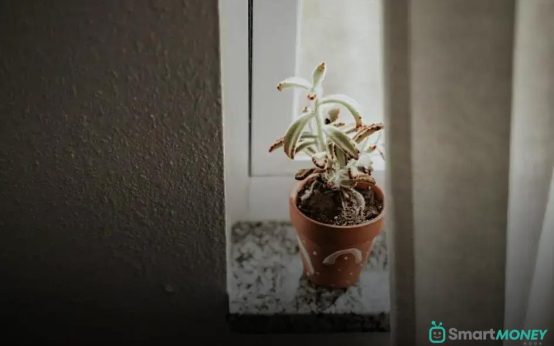 Growing Edible Plants Inside Your Kitchen: Tips & Tricks
 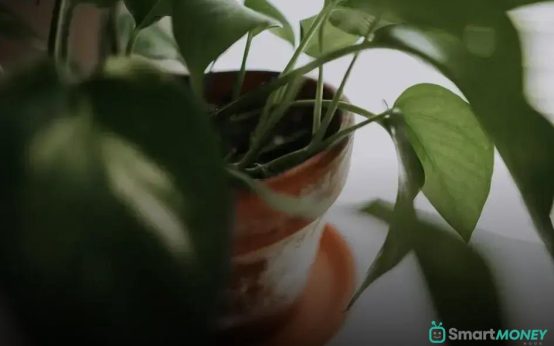 How to Rescue a Dying Houseplant: Easy Tips and Tricks