


Do you have rooms in your home that don’t get much sunlight? Don’t worry, you can still spruce them up with beautiful greenery. In this guide, we’ll explore the best indoor plants for low light rooms, ensuring they thrive in such environments. We’ll help you choose the right plants, avoid common pitfalls, and set up a care routine that even a beginner can handle.
Choosing the Right Plant for Your Space
When selecting the perfect plant for your room, it’s important to consider several factors. First, assess the light conditions of the space. Different plants thrive under different light situations.
If you’re dealing with low light, some of the best indoor plants include the snake plant, known for its resilience, or the sansevieria. Another popular choice is the ZZ plant, which requires minimal light and care.
Consideration of the climate within your home is also essential. For rooms with higher humidity, such as bathrooms, ferns or peace lilies work well. If the space is dry, cacti or succulents are ideal matches.
Matching plant size to your space is crucial, too. Large rooms might benefit from a fiddle leaf fig to act as a statement piece, while smaller spaces could opt for hanging plants like spider plants or pothos, which save on floor space and add a vertical dimension to your decor.
Finally, think about your commitment to maintenance. Some plants like the philodendron are forgiving and can tolerate occasional neglect, while others might require a more consistent care routine. Choosing a plant that fits your lifestyle will ensure it thrives in your environment.
The Benefits of Indoor Plants

Indoor plants are more than just decorative pieces; they come with numerous benefits that can enhance both your physical and mental well-being. One of the primary advantages is their ability to improve air quality. Plants like snake plants and peace lilies act as natural air purifiers by absorbing toxins and releasing fresh oxygen, creating a healthier living environment.
Having plants indoors also contributes to a positive psychological impact. Studies have shown that being around greenery can reduce stress and improve concentration, which is particularly beneficial in home offices or study areas.
Furthermore, indoor plants can help regulate humidity within your home. By releasing moisture vapor, they can maintain a balanced humidity level, which is crucial during dry seasons.
Plants can also promote healing and boost creativity. A touch of nature indoors can enhance mood, and their presence can be especially soothing in bedrooms and living spaces.
Finally, indoor plants can be an affordable decorating option, adding a touch of elegance to any room without breaking the bank. They can transform spaces into tranquil sanctuaries while also serving functional purposes.
Common Mistakes to Avoid
- Overwatering: One of the most frequent mistakes is giving your plant too much water. Indoor plants in low light need less water due to slower evaporation rates, so it’s vital to let the soil dry out between waterings.
- Poor Location: Placing your plant in a spot with too little or too much light can affect its growth. Ensure that you select a location with adequate but moderate light for best results.
- Wrong Pot Size: Choosing a pot that’s too small can limit root growth, while a pot that’s too large can hold excess moisture, leading to root rot. Find the right pot size to encourage healthy growth.
- Ignoring Soil Needs: Not all indoor plants thrive in standard potting soil. Some may require special mixes for better drainage and aeration.
- Skipping Fertilization: While low light plants don’t need as much fertilizer, providing the right nutrients during the growing season can boost their health.
- Neglecting Plant Care: Occasional pruning and cleaning of leaves is essential to keep your plants vibrant and free of pests.
Caring Tips for Low Light Plants

When it comes to caring for low light plants, it’s important to understand their unique needs to ensure they thrive. Unlike plants that bask in sunlight, low light plants require specific conditions to flourish. Let’s delve into some key care tips to keep your indoor green friends healthy and vibrant.
Watering Wisely
Overwatering is one of the most common mistakes when it comes to plant care. Low light plants tend to use water more slowly, so ensure the soil is slightly dry between waterings. Check the top inch of the soil; if it’s dry, it’s time to water. Always use pots with good drainage to prevent root rot.
Optimizing Light
Even though these plants are called low light, they still need some light to photosynthesize effectively. Place them in areas with indirect sunlight or use artificial light if necessary. Rotate your plants every few weeks to ensure all sides receive equal light exposure.
Humidity and Temperature
Most low light plants thrive in humidity. Misting the plant or using a pebble tray can increase humidity levels, offering an environment closer to their natural habitat. Regarding temperature, keep your plants away from cold drafts or direct heat sources such as radiators to avoid stress on the plant.
Pruning and Cleaning
Regular pruning helps with growth and removes any dead or yellowing leaves. This not only improves appearance but also prevents diseases. Additionally, gently wipe the leaves with a damp cloth to remove dust, allowing the plant to breathe and absorb light more effectively.
Feeding and Fertilizing
Unlike fast-growing outdoor plants, indoor low light plants need less frequent fertilizing. During the growing season, use a balanced liquid fertilizer once a month. Avoid fertilizing in winter when growth tends to slow down.
By following these caring tips, your low light plants will not only survive but thrive, adding beauty and a touch of nature to any indoor space.
Top Plant Recommendations
- Snake Plant – Known for its resilience, the snake plant can thrive in low light and is a top choice for beginners.
This plant also purifies air and removes toxins, making it perfect for bedrooms and offices. - Zamioculcas Zamiifolia (ZZ Plant) – This plant survives with very little care. It has glossy, dark green leaves that add a touch of elegance to any room.
ZZ plants prefer indirect light but can handle low-light conditions. - Pothos – Easy to grow and difficult to kill, pothos can survive in low light and doesn’t need frequent watering.
Its trailing vines can also be a beautiful addition to shelves or hanging in baskets. - Peace Lily – This plant thrives in shade and lowers the humidity in the room, which can help with better breathing.
Its white blooms add a decorative element that brightens room corners. - Philodendron – Similar to pothos, philodendrons are adaptable to different light settings, including low light.
Its heart-shaped leaves bring a lovely, lush feel to any interior. - Cast Iron Plant – True to its name, this plant endures neglect and inadequate light while still growing beautifully.
Cast iron plants are perfect for dark corners and add a lush green aura.

 How to Start a Plant Journal to Track Growth Effectively
 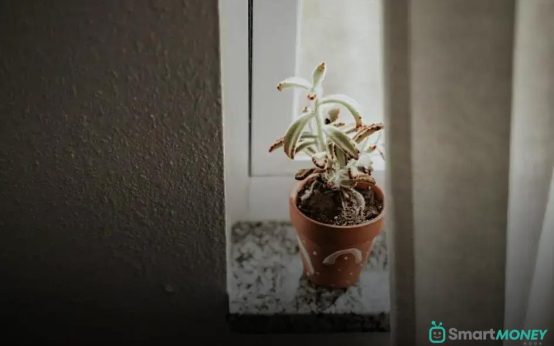 Growing Edible Plants Inside Your Kitchen: Tips & Tricks
 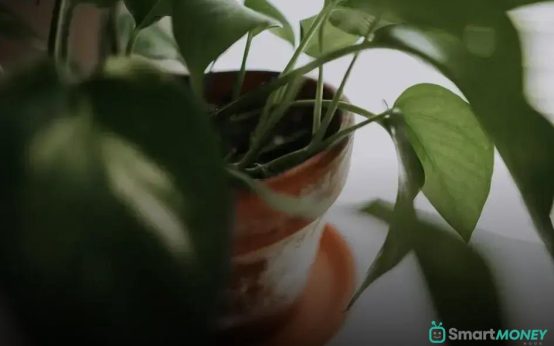 How to Rescue a Dying Houseplant: Easy Tips and Tricks