


Caring for indoor plants involves understanding their unique nutritional needs. Using the right fertilizer is crucial to ensure healthy growth. This guide on how to fertilize indoor plants without overdoing it will help you balance nutrition and prevent common mistakes like over-fertilization, which can harm your plants. Dive into sustainable practices and maintenance advice that will keep your indoor garden thriving.
Understanding Your Plant’s Nutritional Needs
To ensure the health and growth of your indoor plants, it is crucial to understand their nutritional needs. Different plants require varying levels of nutrients, and it’s essential to tailor your fertilization approach accordingly.
Indoor plants primarily need three macronutrients: nitrogen (N), phosphorus (P), and potassium (K), often referred to as N-P-K. Each nutrient plays a vital role in plant health. Nitrogen is necessary for leaf growth, phosphorus supports roots, flowers, seeds, and fruit development, and potassium aids overall plant functions like water absorption and enzyme activation.
To assess your plant’s needs, observe the growth patterns and health signs they exhibit. Yellowing leaves might indicate a nitrogen deficiency, while weak flowering could suggest a lack of phosphorus.
Understanding your plant’s growth cycle is also essential. During the growing season, your plants will require more nutrients compared to their dormant phase. Pay attention to these cycles to adjust your fertilization strategy and ensure optimal nutrient uptake.
Consider researching the specific requirements of your plants or consulting a plant specialist to tailor your fertilization regimen. This way, you can provide the right nutrition without risking over-fertilization, which can harm your plants.
Choosing the Right Fertilizer
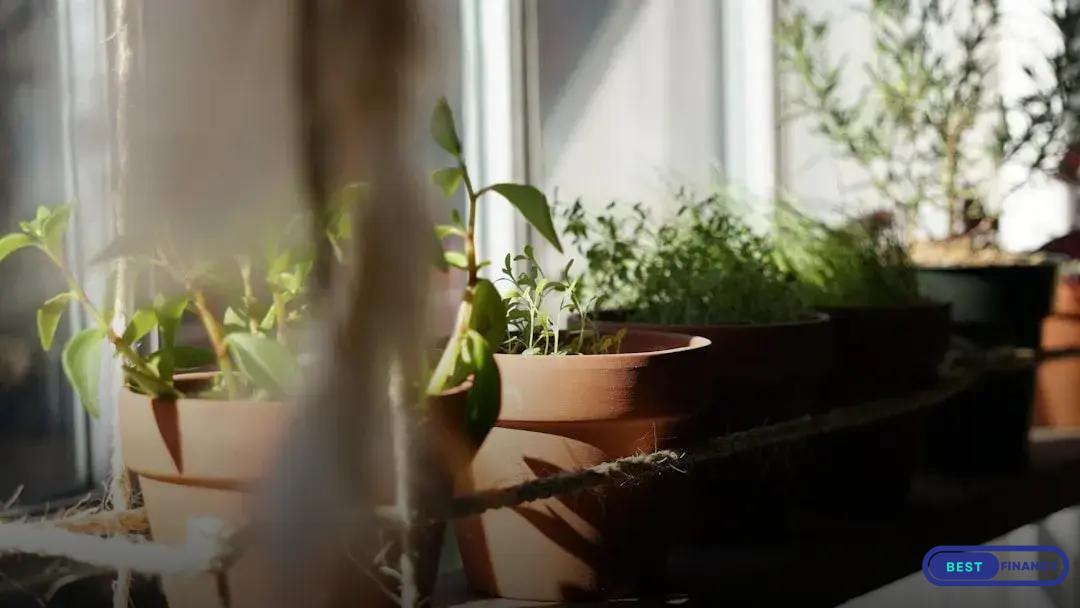
When it comes to choosing the right fertilizer, it’s important to match the product with your plant’s specific needs. Plants rely on three main macronutrients: nitrogen (N), phosphorus (P), and potassium (K), often represented as the N-P-K ratio on the fertilizer package.
Examining N-P-K Ratios
Different plants require different blends of these nutrients. For instance, leafy plants benefit from a fertilizer higher in nitrogen, which promotes lush green growth. Flowering plants, on the other hand, may need more phosphorus to encourage blooming.
It’s also crucial to decide between liquid or granular fertilizers. Liquid fertilizers provide a quick nutrient boost and are easy to apply with watering, making them ideal for indoor plants. Granular fertilizers, while longer-lasting, might not dissolve well in potted environments.
Organic vs. Synthetic Fertilizers
Consider whether your plant care routine aligns better with organic or synthetic options. Organic fertilizers, sourced from natural materials, improve soil health over time and release nutrients slowly. However, they may contain lower nutrient concentrations than synthetic alternatives, which offer precise nutrient control. For those aiming for an eco-friendly approach, organic fertilizers can often yield great results with less risk of over-fertilization.
Remember, always follow the product instructions for application rates, and consider conducting a soil test to tailor your fertilizing approach even further. This way, you can avoid the pitfalls of over-fertilizing and ensure that your plants receive exactly what they need for healthy growth.
Frequency of Fertilizing
Fertilizing indoor plants is essential to their growth and overall health, but understanding the correct frequency is crucial to avoid harming them. Most indoor plants benefit from regular feeding, especially during their growing season, which typically falls in spring and summer. During these periods, fertilize your plants every two to four weeks, but always check the specific needs of each plant, as some may require more or less frequent feeding.
In the dormant seasons, like fall and winter, it’s important to reduce the frequency of fertilizing. During these times, plants slow down their growth and require less nutritional support. You might choose to fertilize only once a month or even less often, depending on the plant type and conditions.
Timing also plays a crucial role. It’s best to apply fertilizer in the morning as it allows plants to utilize the nutrients throughout the day. Avoid fertilizing at night when plant metabolic rates slow down. Furthermore, make sure to water your plants thoroughly before fertilizing to prevent root burn, as this helps dilute the fertilizer and aid its absorption.
Always keep in mind that sticking to a strict schedule might not be as beneficial as observing your plant’s growth and adjusting accordingly. Each plant is unique, and factors like light, temperature, and humidity can all affect how often you should fertilize. Regular observation and understanding of your plant’s reactions to feeding will guide you in making the best decisions.
Signs of Over-Fertilization

Excessive fertilization can harm your plants rather than help them. Knowing the signs of over-fertilization is crucial to maintain the health of your indoor plants. One common indication is the presence of a white, crusty layer on the soil surface, which signifies salt buildup. This can prevent plants from absorbing necessary water, leading to dehydration.
Another sign to watch for is browning or scorched leaf tips and edges. This occurs because too much fertilizer draws water out from the plant’s tissues, causing damage and ‘burn.’ Leaf tips may also curl or become discolored, indicating distress.
In some cases, over-fertilized plants might exhibit stunted growth, as the excessive nutrients impair their natural ability to grow. You might also notice wilting, even if the soil appears adequately moist, as salt accumulation affects the root’s water absorption.
Over-fertilized plants are often more susceptible to pests and diseases because excessive salts weaken their defenses. If your plant’s health is declining after a recent feeding, it might be a result of over-fertilization.
Remediation Strategies
If you suspect over-fertilization, consider flushing the soil with plenty of water to leach out the excess salts. Ensure the pot has adequate drainage to let the excess water escape. It’s crucial to adjust your fertilizing schedule afterwards to prevent recurrence.
Monitoring your plant for these signs can help you take timely action to safeguard their health and ensure a thriving indoor garden.
Natural Fertilizers vs. Chemical Options
When it comes to fertilizing indoor plants, there is a common debate between natural fertilizers and chemical options. Both have their own advantages and potential drawbacks, and choosing the right one depends on your specific needs and the needs of your plants.
Natural fertilizers, such as compost, worm castings, and fish emulsion, are derived from organic matter. These options are environmentally friendly and provide nutrients slowly over time, ensuring a steady supply. The benefit here is that they improve the overall soil structure and health, which is beneficial for the long-term growth of your plants.
On the other hand, chemical fertilizers offer a more immediate nutrient boost. They typically contain precise ratios of nutrients tailored for specific plant types, like a 10-10-10 NPK ratio. While they’re effective for quickly addressing nutrient deficiencies, it’s important to use them carefully to avoid over-fertilization, which can be harmful.
Balance
between these fertilizers can sometimes be the best approach, depending on the plant’s immediate needs and long-term health goals.

 How to Start a Plant Journal to Track Growth Effectively
  Growing Edible Plants Inside Your Kitchen: Tips & Tricks
  How to Rescue a Dying Houseplant: Easy Tips and Tricks