


Starting an indoor herb garden can be a rewarding endeavor for beginners. Growing herbs indoors allows you to harness the benefits of fresh, aromatic herbs all year round. To ensure success, it’s crucial to understand the basics, choose the right tools, and maintain proper care. This guide will walk you through every step, from selecting the ideal herbs to creating the perfect indoor environment.
Choosing the Right Herbs for Indoor Growth
When selecting herbs for indoor growth, it’s important to consider their specific needs and requirements. Some herbs thrive in indoor environments because they require less sunlight and adapt well to controlled climates.
Basil
is a popular choice due to its versatility in cooking and ability to grow in containers. It enjoys a sunny spot, so place it on a windowsill where it can receive 6-8 hours of bright, indirect light daily. Keep the soil moist but ensure good drainage.
Mint
is another excellent option. Its refreshing aroma and flavor make it a favorite. Mint is quite hardy and can manage with indirect sunlight. Be cautious with watering; keep the soil slightly damp but not waterlogged.
Chives
are perfect for kitchens. They don’t require direct sunlight and do well in moderate light conditions. Chives need a regular moisture supply, so ensure consistent watering but allow for drainage.
Parsley, a biennial herb, also suits indoor environments. It prefers cool, moist conditions and does best in a spot with indirect light. It’s an ideal addition to any indoor herb garden for its culinary versatility.
Consider the space available and the light conditions in your home. You’ll find that not all herbs are created equal in terms of their light and water requirements. Choose ones that suit your living space and culinary needs, and you’ll have a thriving indoor herb garden.
Essential Tools and Supplies for Herb Growth

To effectively grow herbs indoors, it is crucial to gather the right tools and supplies. First and foremost, invest in high-quality planters or pots that have adequate drainage holes to prevent waterlogging. Consider the size of your herbs when choosing pots, as certain species require more space for root growth.
Potting soil plays a significant role; opt for a well-draining, nutrient-rich potting mix that supports healthy herb development. You might want to add perlite or sand to improve drainage further.
Lighting is a critical component. While natural sunlight is ideal, most indoor settings require supplemental lighting like LED grow lights. These lights simulate sunlight and assist in photosynthesis, promoting robust herb growth.
A watering can with a narrow spout is essential for directing water precisely at the base of each plant, reducing the risk of fungal diseases. Pair this with a spray bottle to mist the herbs, which is particularly helpful for indoor environments where humidity is low.
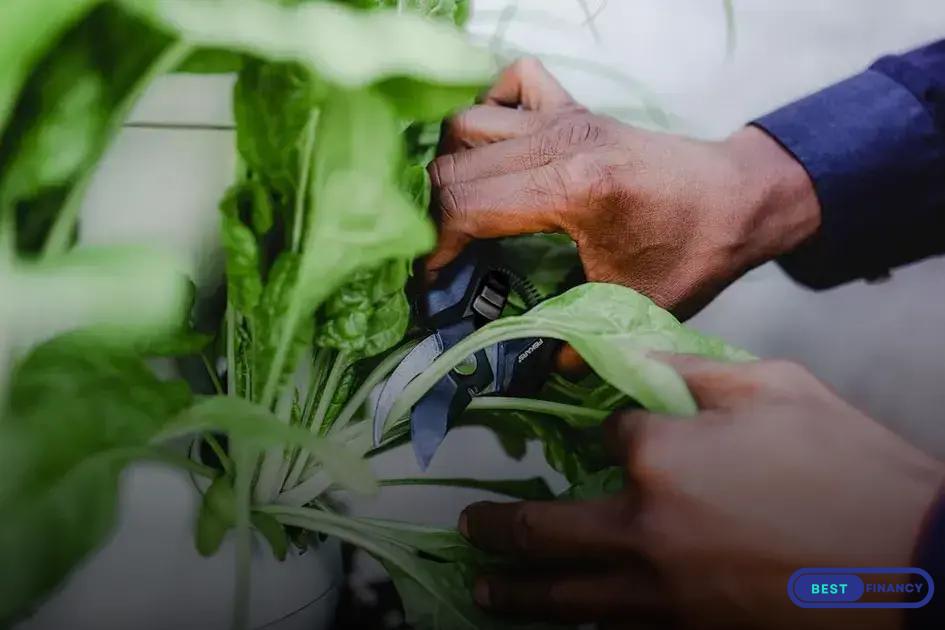
For maintenance, keep a sturdy pair of gardening scissors or pruners to trim and harvest herbs efficiently. Regular pruning encourages bushier growth and keeps plants healthy.
Consider a humidity tray or a pebble tray to increase moisture levels if your indoor air is dry. Simply place your pots on a tray filled with pebbles and water. As the water evaporates, it adds humidity around the plants.
Lastly, don’t overlook the importance of plant labels. They are useful for keeping track of the planting date and specific care instructions for each herb variety.
Optimal Indoor Environment for Herbs
Creating the ideal indoor environment is vital for growing healthy herbs. Proper lighting is crucial; most herbs need at least 6-8 hours of bright, indirect sunlight each day. Consider using grow lights, especially during shorter days in winter.
Maintain a consistent temperature range between 60°F to 75°F, as most herbs prefer mild conditions. Avoid placing your plants near drafty windows or heating vents, which can cause temperature fluctuations.
Humidity levels should be moderated, around 40% to 50% is ideal. You can increase humidity by using a pebble tray with water or a small humidifier, especially during the winter months when indoor air tends to be drier.
Air circulation is also key to preventing mold and pests. Use a small fan to keep the air moving, which helps the plants to transpire more effectively.
Choose a nutrient-rich potting mix that offers good drainage. Ensure pots have drainage holes to prevent waterlogging, which can lead to root rot.
Regularly rotate plants to ensure even growth and inspect your herbs frequently for pests or diseases. Prompt action can prevent any potential problems from spreading.
Common Mistakes to Avoid
When growing herbs indoors, there are several common mistakes that beginners often make. One frequent issue is overwatering the plants. It’s important to let the soil dry out between waterings, as most herbs are sensitive to excessive moisture. Another common error is using containers without adequate drainage. Ensure your pots have holes at the bottom to prevent waterlogging.
Placing herbs in areas with insufficient light can hinder their growth. Herbs typically need at least 6 hours of sunlight a day, so consider placing them on a windowsill or using grow lights. Additionally, avoid planting herbs too closely together. They need proper space and airflow to thrive without competing for nutrients.
Not all herbs require the same care and conditions. Some beginners treat all their plants uniformly, which can lead to issues. Research the specific needs of each herb in your garden. Remember, regular trimming promotes growth, but be careful not to overharvest as this could stress the plants.
Lastly, neglecting to check for pest infestations is a mistake. Even indoor environments can host pests like aphids or spider mites, so inspect your herbs regularly.
Harvesting and Maintaining Your Indoor Herbs
To ensure a bountiful supply of fresh herbs for your culinary needs, mastering the skill of harvesting and maintenance is essential. Regular harvesting is not only vital for consumption but also encourages healthy plant growth.
-
Understanding Growth Stages
Monitor your herbs continuously to determine their growth phases. Cut herbs like basil and mint when they are young and tender for the best flavor.
-
Proper Harvesting Techniques
Use clean, sharp scissors or pruning shears to snip the herbs. Aim to cut above a leaf pair or branching point to stimulate new growth.
-
Timing is Key
Harvest in the morning after the dew has dried but before the sun becomes too intense. This time of day is when essential oils are most concentrated in the leaves, providing the best flavor.
-
Maintenance Practices
Ensure your herbs are pruned regularly to avoid flowering, as this can make them lose flavor. Remove any dead or yellowing leaves to foster a healthy plant environment.
-
Watering and Fertilizing
Water your herbs when the top inch of soil feels dry. Be careful not to overwater, which can lead to root rot. Feed your herbs with a balanced, water-soluble fertilizer every four to six weeks to boost their growth.
-
Pest Management
Regularly inspect your herbs for pests such as aphids or spider mites. Employ natural pest control methods like neem oil or introducing beneficial insects like ladybugs to maintain a pest-free environment.
By refining your harvesting practices and maintaining healthy growth conditions, you can enjoy a thriving indoor herb garden that enhances your cooking with fresh flavors all year round.

 How to Start a Plant Journal to Track Growth Effectively
  Growing Edible Plants Inside Your Kitchen: Tips & Tricks
  How to Rescue a Dying Houseplant: Easy Tips and Tricks